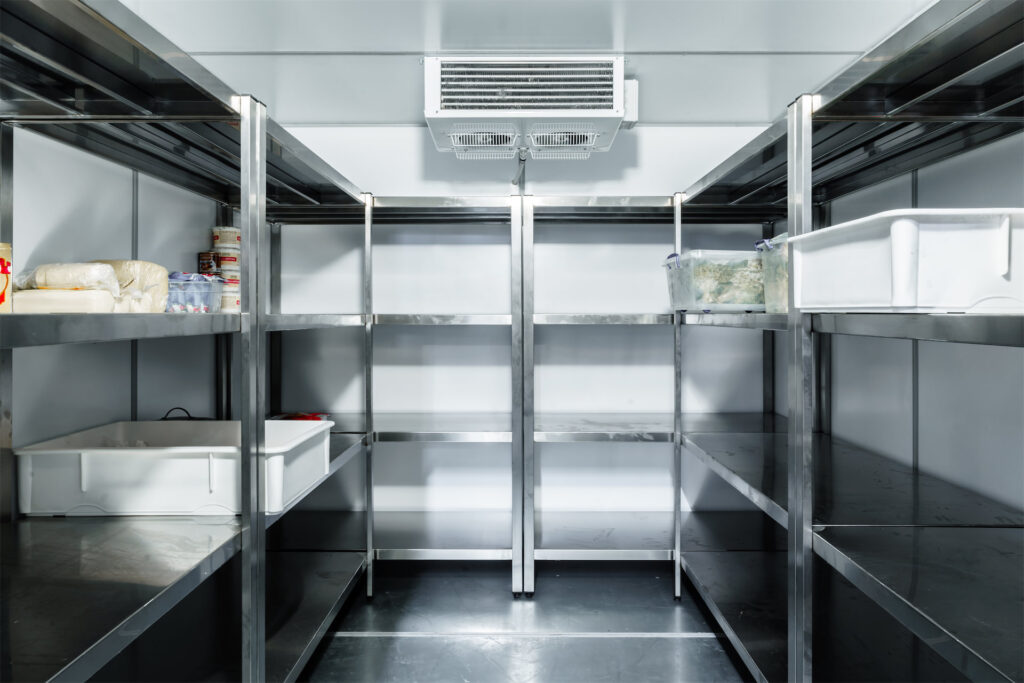
For any Texas business—from restaurants and grocery stores to flower shops and pharmaceutical warehouses—the walk-in cooler is the heart of the operation. A sudden refrigeration failure isn’t just an inconvenience; it’s an immediate financial and health hazard. In the intense Texas heat, you have mere hours before your inventory of Time/Temperature Control for Safety (TCS) food crosses the critical 41°F threshold set by the Texas Food Establishment Rules (TFER). This can result in catastrophic product loss and potential fines.
The key to avoiding a significant financial loss is catching the subtle signs of impending failure early. This guide provides an actionable checklist for your staff and facility managers to perform daily and weekly inspections. Following these steps can prevent a minor issue from becoming a costly, emergency shutdown.
Train your team to look beyond the digital temperature display. A failing walk-in cooler often sends subtle, sensory signals that you can detect before a complete breakdown occurs. Here are the five key warning signs to watch for during every shift.
What does your walk-in cooler sound like? Pay attention to how the machinery operates. Is the unit running constantly, or is it cycling on and off too frequently? Listen for unusual grinding, loud rattling, or a sudden, complete silence.
Place your hand near the surface of the condenser unit, which is typically located outside the walk-in box. Does it feel unusually hot to the touch?
Check the evaporator coil (the unit inside the box) and the refrigerant lines that lead to it. Do you see excessive frost or a solid block of ice forming?
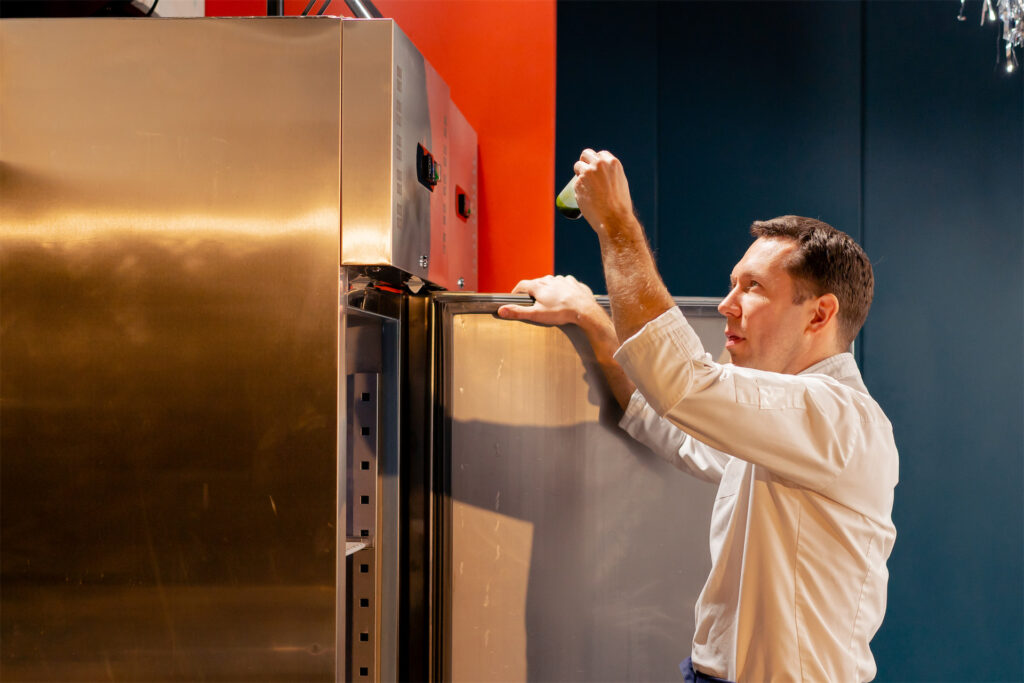
Look at the floor inside and outside the walk-in. Are there unusual water puddles, especially under the evaporator unit?
A simple test can reveal a major efficiency problem. Perform the “Dollar Bill Test” by placing a dollar bill between the door and the frame and then closing it. If you can easily pull the bill out without resistance, the seal (gasket) is bad.

Don’t wait until the walk-in hits 45°F to call for emergency service. If you have identified one or more of the warning signs from this checklist, you need to act immediately to prevent thousands of dollars in spoilage and operational downtime.
Longhorn Mechanical, your premier Texas commercial refrigeration service specialists, is dedicated to ensuring your operations consistently achieve compliance, profitability, and safety. A small refrigeration issue can quickly turn into a massive crisis. By integrating this checklist into your daily routine, you empower your team to protect your business’s most critical assets. Don’t let a preventable problem melt away your profits.